
In short: bail in an NDPS case depends mainly on the quantity seized. For small quantity, bail is usually available. For intermediate quantity, ordinary bail rules apply. For commercial quantity, Section 37 of the NDPS Act lets the court grant bail only if it believes the accused is not guilty and unlikely to reoffend. Mistakes in search and seizure can matter.
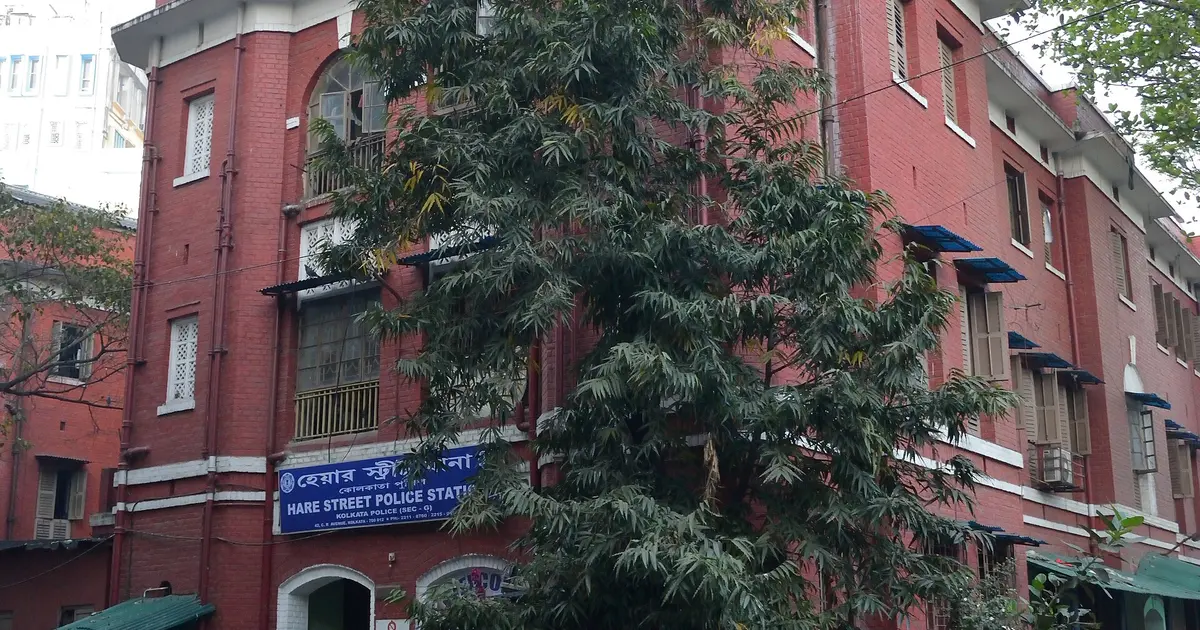
NDPS case kya hota hai: the law in brief
The Narcotic Drugs and Psychotropic Substances Act, 1985 (NDPS Act) makes it an offence to produce, possess, sell, buy, transport, import or export narcotic drugs and psychotropic substances without a licence. The main offence sections are:
- Section 20: cannabis (ganja, charas);
- Section 21: manufactured drugs such as heroin and codeine-based preparations;
- Section 22: psychotropic substances, including many tablets;
- Section 27: consumption;
- Section 29: abetment and criminal conspiracy.
Cases are investigated by state police, the Narcotics Control Bureau (NCB) and other notified agencies.
Small, intermediate and commercial quantity
The punishment, and how hard bail is, depends on the quantity. The thresholds for each drug are fixed by a central government notification (S.O. 1055(E) of 2001, as amended). Some common examples:
| Drug | Small quantity (up to) | Commercial quantity (from) |
|---|---|---|
| Ganja | 1 kg | 20 kg |
| Heroin | 5 g | 250 g |
| Cocaine | 2 g | 100 g |
| Charas / hashish | 100 g | 1 kg |
Anything between the two limits is "intermediate" quantity. The punishments for the main offences are:
- Small quantity: rigorous imprisonment up to one year, or a fine up to ₹10,000, or both.
- Intermediate quantity: rigorous imprisonment up to ten years and a fine up to ₹1 lakh.
- Commercial quantity: rigorous imprisonment of ten to twenty years and a fine of ₹1 lakh to ₹2 lakh.
For consumption under Section 27, the punishment is up to one year (cocaine, morphine, heroin and similar drugs) or up to six months (others). Under Section 64A, an addict charged with consumption or small-quantity possession who volunteers for de-addiction treatment can get immunity from prosecution.
NDPS bailable or non-bailable
Every NDPS offence is cognizable, so police can arrest without a warrant. Whether bail is a right depends on the punishment:
- Small quantity and consumption carry up to one year and are generally treated as bailable.
- Intermediate quantity is non-bailable. Bail is decided on ordinary principles: the evidence, the role of the accused, criminal history and how long the person has been in custody.
- Commercial quantity, and offences under Sections 19, 24 and 27A (financing illicit traffic), are non-bailable and subject to Section 37.
NDPS bail in commercial quantity: the Section 37 twin conditions
For commercial quantity, the court can grant bail only if:
- the Public Prosecutor has had a chance to oppose the application; and
- where the prosecutor opposes, the court is satisfied that there are reasonable grounds for believing the accused is not guilty and is not likely to commit an offence while on bail.
These conditions are strict, but not absolute. Bail applications in such cases usually focus on:
- breaches of the mandatory search rules;
- doubts about the weight or the sampling;
- whether the accused was in "conscious possession";
- long custody with no trial in sight.
In Mohd. Muslim v. State (NCT of Delhi) (2023), the Supreme Court granted bail despite Section 37 because of years of custody and slow trial progress, holding that the right to a speedy trial under Article 21 still applies.
Section 50 NDPS search and your rights on arrest
- Section 50 (personal search). Before searching your body, the officer must tell you of your right to be searched in front of a Gazetted Officer or a Magistrate. A Constitution Bench in State of Punjab v. Baldev Singh (1999), followed in Vijaysinh Chandubha Jadeja v. State of Gujarat (2011), held this requirement mandatory: a recovery from a personal search without it can be held illegal. The protection applies to a search of the person, not to bags or vehicles.
- Section 42. When officers act on prior information, they must record it in writing and send a copy to their superior within 72 hours.
- Section 52A (sampling). Seized drugs are to be inventoried and samples drawn in the presence of a Magistrate. Lapses here are often argued at trial and in bail.
- Confessions to officers. In Tofan Singh v. State of Tamil Nadu (2020), the Supreme Court held that NCB and other NDPS officers are "police officers" for this purpose. A statement recorded by them under Section 67 cannot be used as a confession.
- Ordinary arrest rights. You must be told the grounds of arrest, be produced before a court within 24 hours, and be allowed to inform a relative and consult a lawyer.
Note that Sections 35 and 54 let the court presume a culpable mental state and possession once recovery is proved, so the accused has to rebut them. This is why the search record matters so much.
NDPS default bail: 180 days
For most offences, default bail is available if the charge-sheet is not filed within 60 or 90 days (Section 187(3) BNSS, old Section 167(2) CrPC). Under Section 36A(4) of the NDPS Act, for commercial quantity and offences under Sections 19, 24 and 27A, the period is 180 days. The Special Court can extend it up to one year only on a report of the Public Prosecutor showing the progress of the investigation and specific reasons for continued detention. If 180 days pass without a charge-sheet or a valid extension, the accused can apply for default bail, and the application must be made before the charge-sheet is filed.
In Kolkata and West Bengal
NDPS cases in West Bengal are investigated by Kolkata Police, the West Bengal Police and agencies such as the NCB Kolkata Zonal Unit. Serious NDPS cases are tried by Special Courts, which are Sessions-level courts designated in each district (for example, the Special Court at Barasat for North 24 Parganas). Bail refused by the Special Court can be sought from the Calcutta High Court, which also hears appeals and quashing petitions. The High Court has noted heavy pendency in NDPS Special Courts across the state, and long custody is a relevant ground in bail. Check the current designated Special Court for the police station concerned, as notifications change.
Questions people ask
Is an NDPS case bailable?
It depends on the quantity. Small-quantity and consumption cases carry up to one year and are generally bailable. Intermediate-quantity cases are non-bailable but bail is decided on ordinary principles. Commercial-quantity cases are non-bailable and subject to the strict Section 37 test.
What are the twin conditions for bail in commercial-quantity cases?
Under Section 37, once the Public Prosecutor opposes bail, the court must be satisfied that there are reasonable grounds for believing the accused is not guilty and is not likely to commit any offence while on bail.
NDPS case kya hota hai aur bail kaise milti hai?
NDPS case nashe wali cheezon (jaise ganja, heroin, charas, kuch tablets) ke possession, bikri ya transport par banta hai. Small quantity mein bail aam taur par mil jaati hai. Commercial quantity mein Section 37 ki do sharton ke kaaran bail mushkil hai. Search mein galti ya lambi custody bail ka aadhar ban sakte hain.
What if the search was not done before a magistrate or gazetted officer?
For a search of your person, the officer must first tell you that you have the right to be searched before a Gazetted Officer or Magistrate. If that was not done, the recovery from your body can be held inadmissible. This does not apply to searches of bags or vehicles.
Can the charge-sheet time be extended to 180 days in NDPS cases?
For commercial quantity and offences under Sections 19, 24 and 27A, the period is already 180 days under Section 36A(4). The Special Court can extend it up to one year only on a reasoned report of the Public Prosecutor. Otherwise the accused is entitled to default bail.
Which court hears NDPS cases in Kolkata?
Serious NDPS cases are tried by Special Courts of Sessions rank designated for each district. Bail applications against their orders, and appeals, go to the Calcutta High Court. The correct Special Court depends on the police station and the current notification.
Facing a criminal case or arrest?
PKS Legal advocates have practised since 1980. We are based in Kolkata and advise clients from across India by phone and video call. Tell us about your matter and an advocate will get back to you.
Become a ClientCall +91 81001 21141This guide gives general information about the law in India as on 17 November 2026. It is not legal advice for your situation, and reading it does not create a lawyer-client relationship. Rules and limits change; please take advice on your own facts.